With Winter Approaching, Let's Talk Insulation
Spray Foam vs Fiberglass
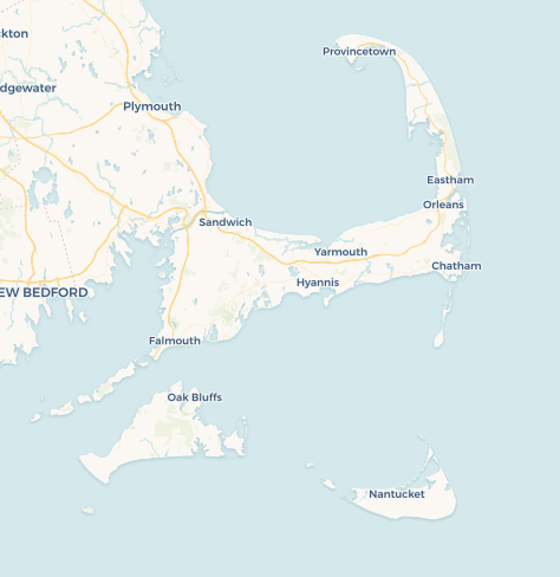
Welcome to DC Builders in Falmouth, MA, the trusted name in home construction, remodeling, home additions, and custom home designs. Our impressive track record spanning three and a half decades of constructing homes in Cape Cod serves as a testament to our steadfast dedication to craftsmanship and excellence.
Irrespective of the specific project, your choice of insulation for your home, whether it's a new addition or a remodel, represents a crucial decision. Each material you use within your home comes with its own set of advantages and disadvantages, all of which hold significant importance. Let's examine the use of both spray foam and fiberglass insulation and how they relate to your project!
Spray foam insulation and fiberglass insulation are two common types of insulation used in buildings, and they have several key differences. Here are the main distinctions between the two:
- Material Composition:
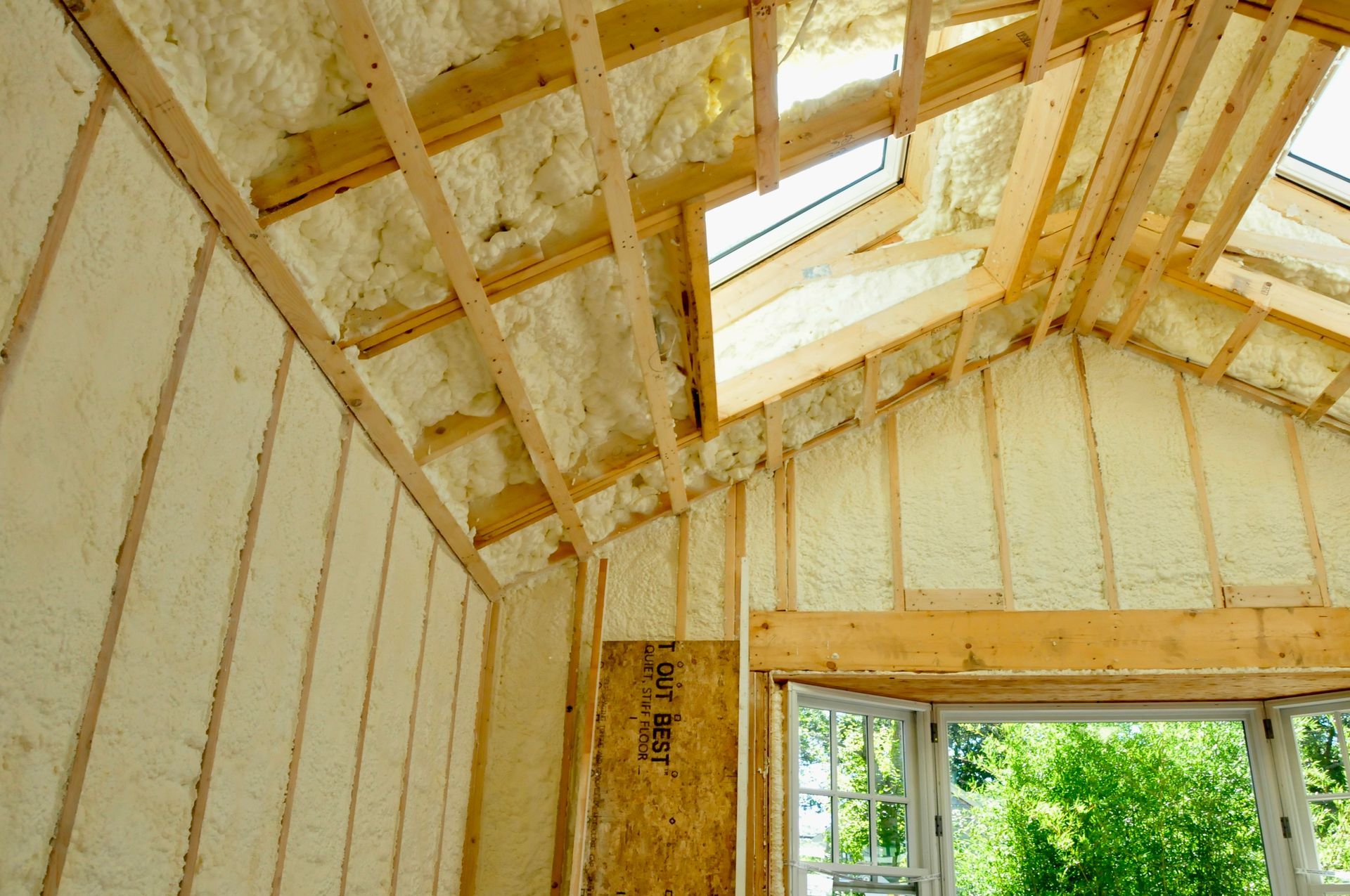
- Spray Foam Insulation: Spray foam insulation is made from two liquid components, polyurethane or polyisocyanurate, which are mixed together and sprayed onto surfaces. When it cures, it expands and hardens into a solid foam.
- Fiberglass Insulation: Fiberglass insulation is made from fine glass fibers that are woven or pressed into mats or rolls.
- Installation:
- Spray Foam Insulation: It is typically installed by professionals using specialized equipment. The liquid foam is sprayed directly onto surfaces, filling gaps and expanding to create an airtight seal.
- Fiberglass Insulation: It is available in pre-cut batts or loose-fill form. Installation involves placing batts between wall studs or blowing loose-fill into wall cavities or attics. It's a more straightforward DIY option.Insulation Value (R-Value):
- Spray Foam Insulation: Spray foam generally has a higher R-value per inch compared to fiberglass. It provides excellent insulation and air sealing properties, making it more effective in reducing energy loss.
- Fiberglass Insulation: Fiberglass insulation has a lower R-value per inch compared to spray foam. To achieve the same level of insulation, you may need thicker layers of fiberglass.
- Air Sealing:
- Spray Foam Insulation: One of the biggest advantages of spray foam is its ability to create an airtight seal. It effectively prevents air infiltration and drafts, improving energy efficiency.
- Fiberglass Insulation: Fiberglass can leave gaps and may not provide as effective an air seal unless combined with other air-sealing measures.
- Moisture Resistance:
- Spray Foam Insulation: Closed-cell spray foam is water-resistant and can help deter moisture infiltration, making it suitable for humid environments. Open-cell spray foam is less resistant to moisture.
- Fiberglass Insulation: Fiberglass can absorb moisture, potentially leading to mold or reduced insulation effectiveness if not properly sealed.
- Cost:
- Spray Foam Insulation: Spray foam insulation tends to be more expensive upfront due to the cost of materials and professional installation.
- Fiberglass Insulation: Fiberglass insulation is generally more budget-friendly, particularly if you install it yourself.
- Environmental Considerations:
- Spray Foam Insulation: The production of spray foam involves chemicals that can have environmental impacts. However, it can contribute to energy savings, which may offset its initial environmental footprint.
- Fiberglass Insulation: Fiberglass is made from recycled glass and is considered environmentally friendly. However, its energy efficiency depends on proper installation and sealing.
Ultimately, the choice between spray foam insulation and fiberglass insulation depends on your specific needs, budget, and preferences. Each type has its advantages and drawbacks, so it's essential to consider your project's requirements and consult with professionals if necessary.
Dream, Design, and Dwell with us. Schedule a consultation today!