Building for the Cape's Climate: Salt Air, Nor'easters & Flood Zones
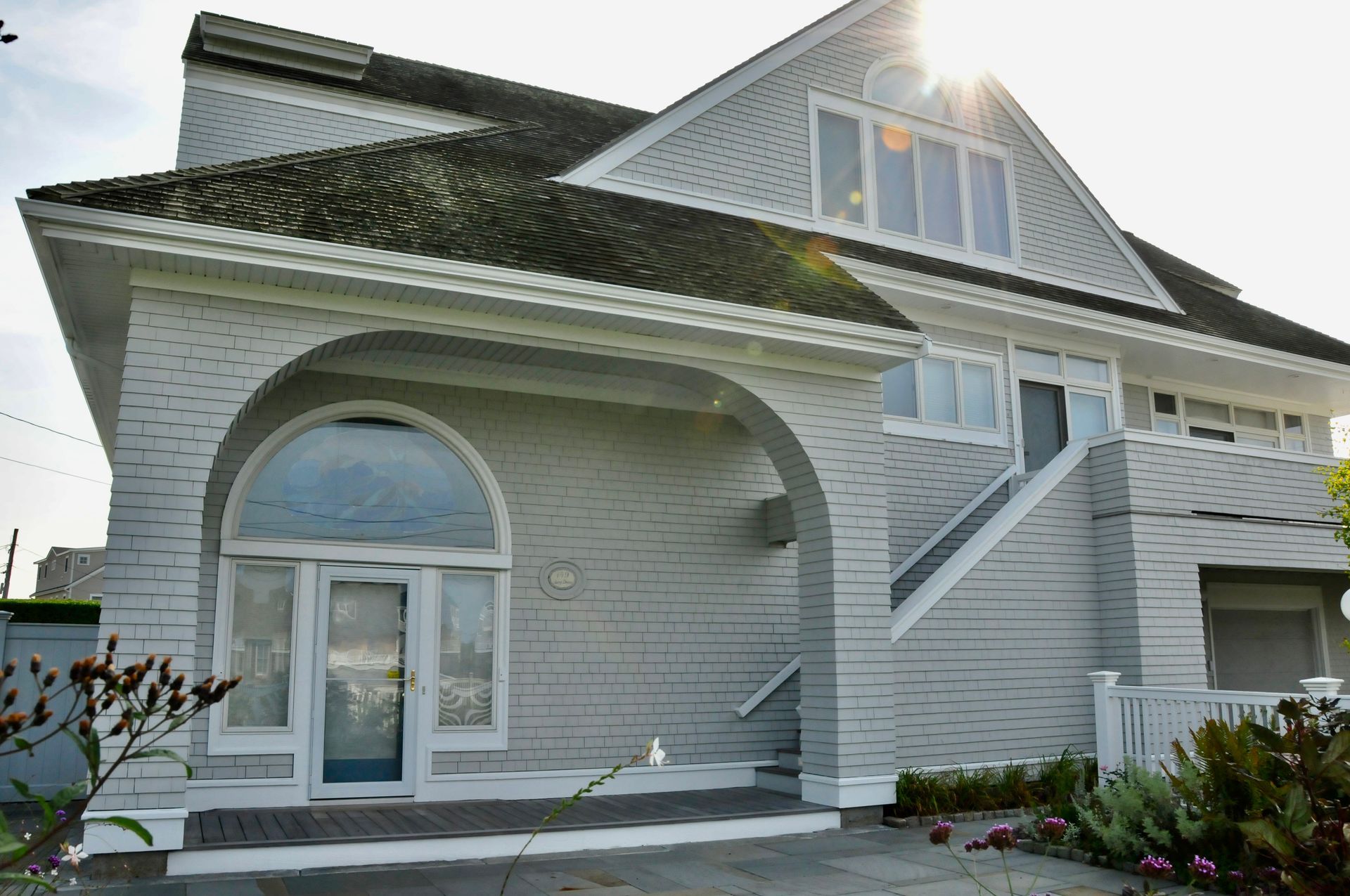
Coastal construction on Cape Cod is its own discipline: salt air corrodes metal year-round, nor'easters drive rain into every gap in a wall, and mapped flood zones dictate what a foundation has to be. After 40-plus years building in Falmouth, Mashpee, and Bourne, here's what keeps a Cape house standing — and what drives cost.
What Coastal Construction on Cape Cod Demands
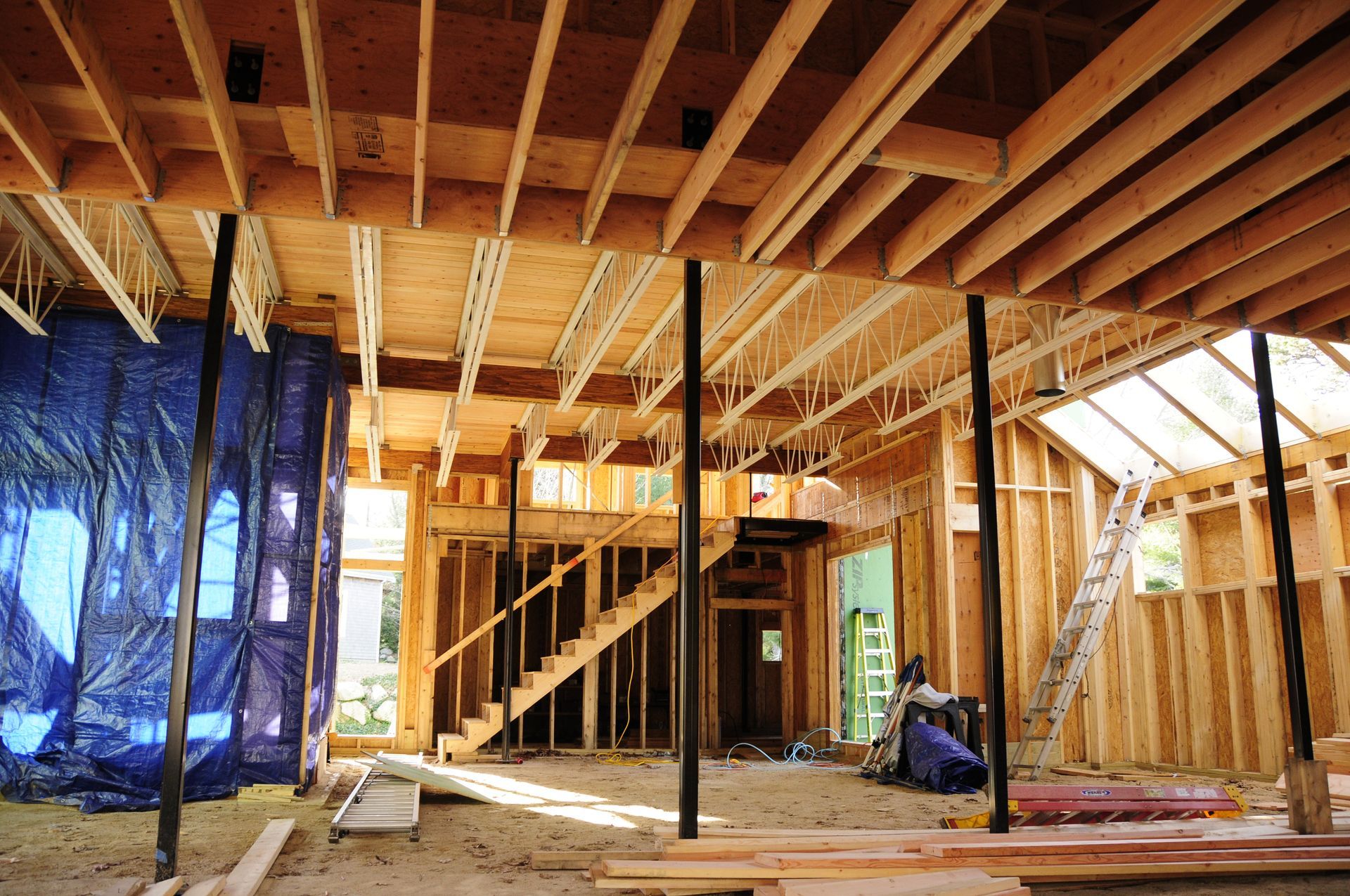
Wind is a structural problem. The answer is a continuous load path — roof strapped to walls, walls to floors, floors to foundation — so the house resists a storm as one piece: metal straps and connectors, correct nailing patterns on the sheathing, roof details matched to the exposure. Massachusetts code requires wind-rated construction in coastal areas, but code is a minimum. That work gets covered up early, so hire a crew that does it right when nobody's watching.
Salt air beats the wrong hardware every time. Ordinary fasteners corrode long before the lumber around them fails, so a deck or roof can look fine while its connections quietly weaken. Near the coast, spec:
- Stainless steel or coastal-rated hot-dipped galvanized connectors and fasteners
- Siding, trim, railings, and flashing chosen to live in salt air
The upgrade costs more up front and pays for itself in connections you never replace. Exposure is an honest cost driver: heavy salt and wind push a budget up; a sheltered lot gives you room.
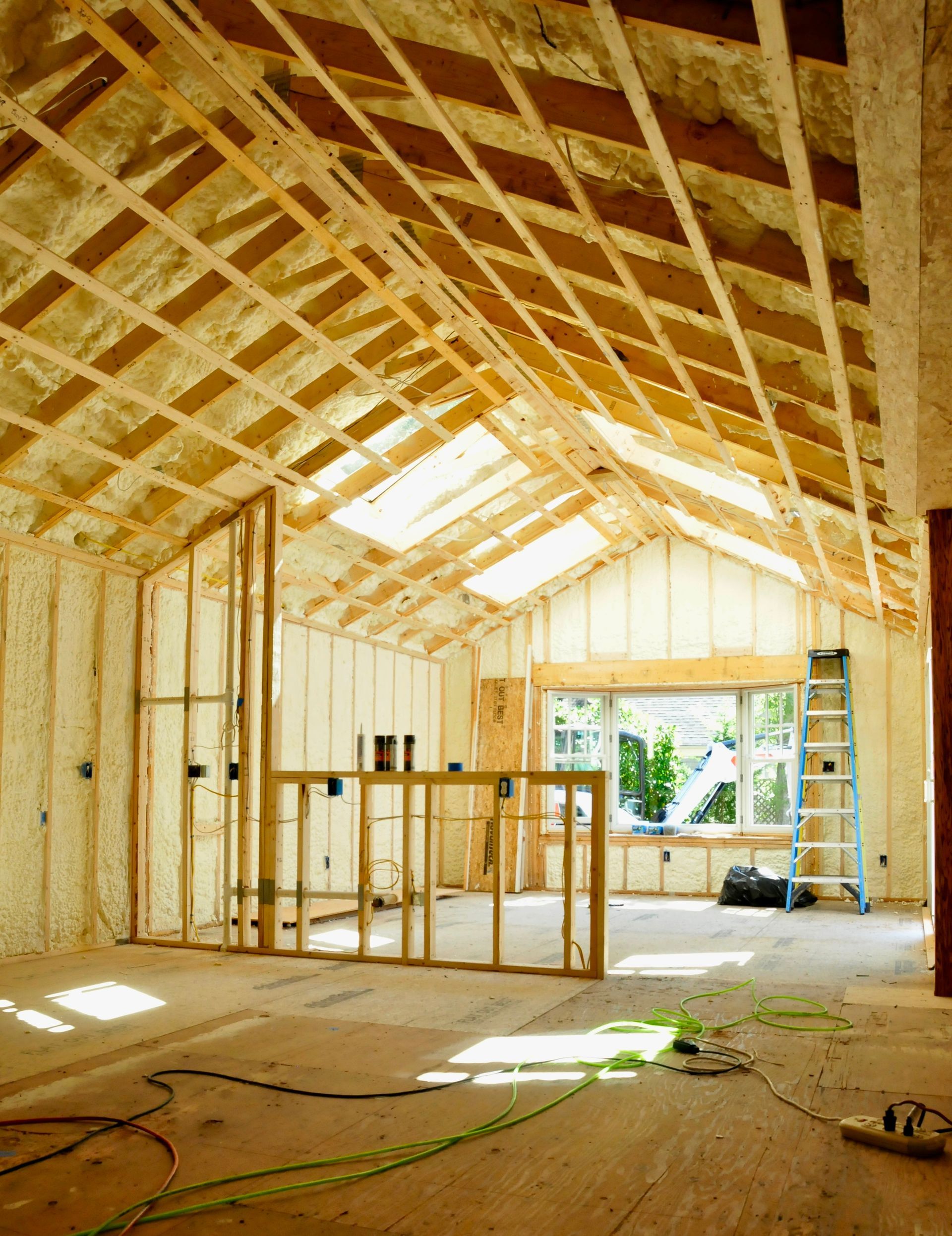
Everyday moisture does more quiet damage than storms. Fog, humidity, and wind-driven rain demand layered defenses: flashing at every window, door, and roof connection; a drainage plane behind the siding so water that gets in can get out; ventilation that lets assemblies dry. Air-sealing matters too — warm, damp indoor air leaking into cold wall and roof cavities condenses and feeds rot from the inside. More in our post on insulation.
Pro Tip from the Field
Never mix metals in an exterior connection. A stainless nail in a plain galvanized joist hanger creates galvanic corrosion where the metals touch, and salt air accelerates it. Hangers, fasteners, bolts, and flashing should all carry the same coastal rating.
Flood Zones: Settle It at the Design Stage
Anywhere near the water, check current FEMA flood maps and your town's building department before committing to a design — the maps get revised. The zone can dictate foundation type, required elevation of living space, what's allowed below the first floor, and your insurance. Flood-zone foundations take more engineering and labor than a standard build, and redesigning around an elevation requirement after the plans are drawn is the expensive way to learn that. There's no rule of thumb — it's parcel by parcel.
The same coastal thinking applies to new homes, additions, remodels, roofing, and siding — see the full range on our construction services page. DC Builders is a family-owned general contractor in East Falmouth and consultations are free: call (508) 388-5120 or request a consultation online.