Energy-Smart Homes: How We Build for Lower Bills Year-Round
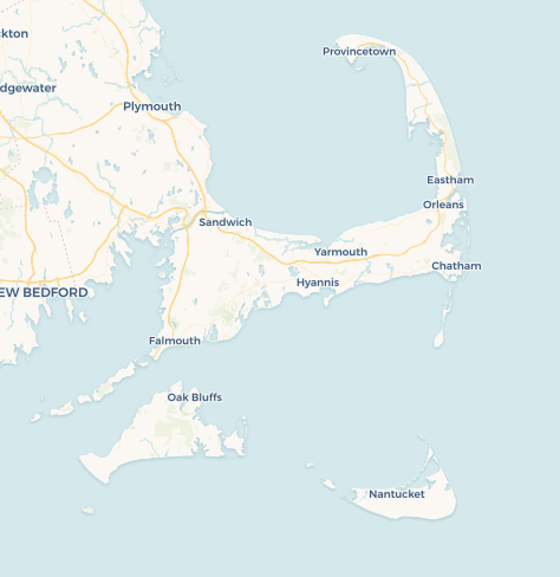
The biggest driver of a Cape Cod heating bill isn't the furnace — it's the envelope: walls, roof, windows, doors, and foundation. If the envelope leaks, you're paying to condition air that goes straight outdoors. As an energy efficient home builder serving Falmouth, Mashpee, Bourne, and all of Cape Cod, we get three things right before any equipment goes in: air sealing, insulation, and windows installed correctly. Solar panels and smart thermostats come last — a tight envelope means every system downstream can be smaller and run less.
What an Energy Efficient Home Builder Does Differently
Wind and salt air off the water punish sloppy details. Here's where the performance actually lives:
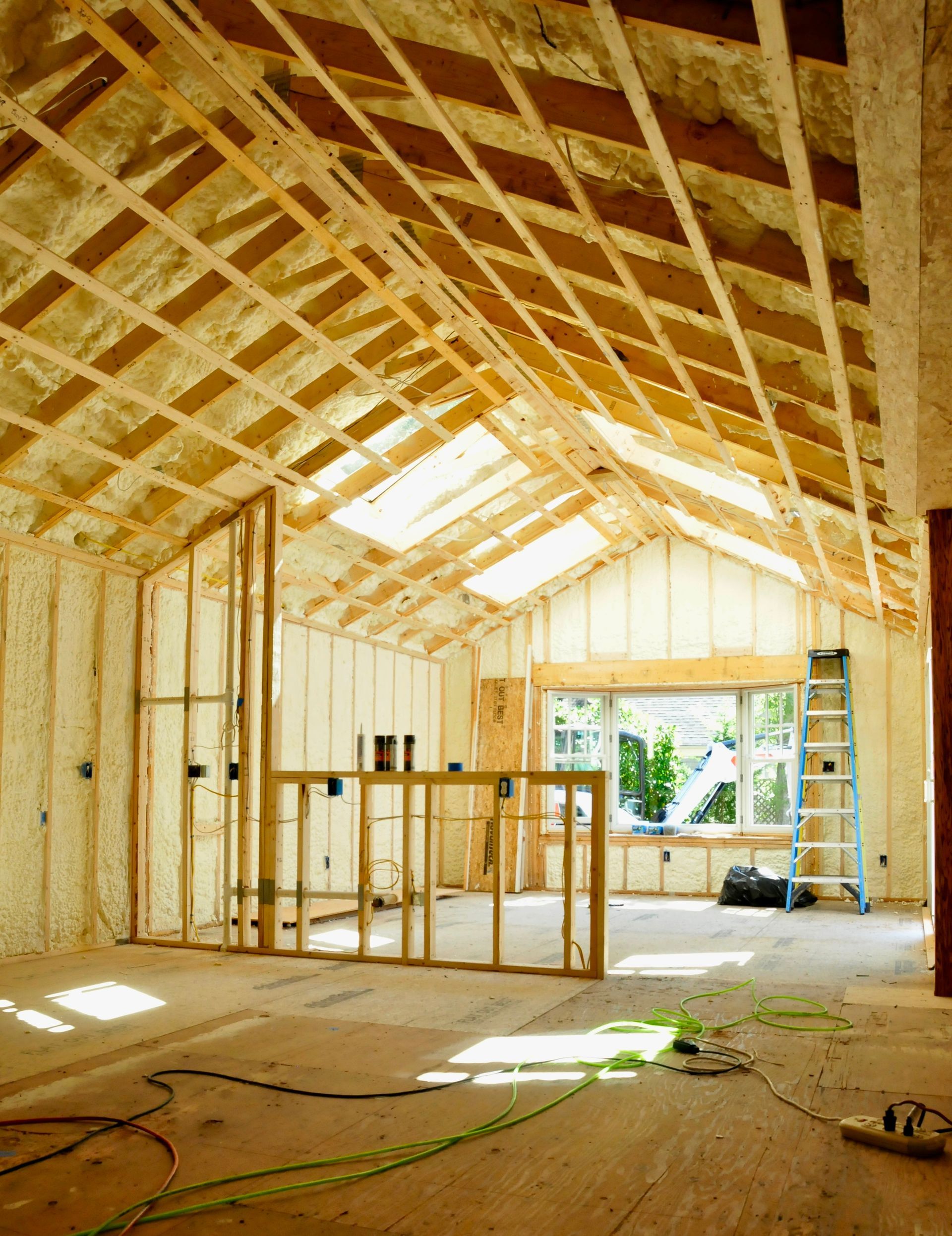
- Air sealing. Houses leak at the joints — framing to foundation, window and door openings, every hole drilled for plumbing, wiring, and vents. We seal them during framing, when they're easy to reach. Wind off Buzzards Bay finds every gap you leave it.
- Insulation installed right. A batt that's compressed, stuffed around a pipe, or gapped at the corners performs well below its rating. Full, tight, uniform coverage matters as much as the material.
- Windows flashed and sealed at the frame. A good window installed poorly is a leak with a nice sticker on it.
Why it matters here: in winter, wind pressure pushes cold air in one side of a leaky house and pulls heated air out the other — that's why a drafty house never feels warm at the thermostat's set point. In summer, humid air migrating into wall cavities and basements causes musty smells, condensation, and eventually rot; much of the moisture damage we repair traces back to unsealed air leaks. The side benefits: even room temperatures, a quieter house, and less moisture-driven decay — peeling paint, rotted trim, damp sills.
Pro Tip from the Field
Pull back a piece of attic fiberglass. If the underside is stained gray or black, that's usually not mold — it's dirt the insulation has filtered out of air leaking through the ceiling below. Every dirty patch marks a gap worth sealing. Insulation slows heat; it doesn't stop air. Seal first, or your insulation is just a filter.
New Build or Existing House — and What Drives Cost
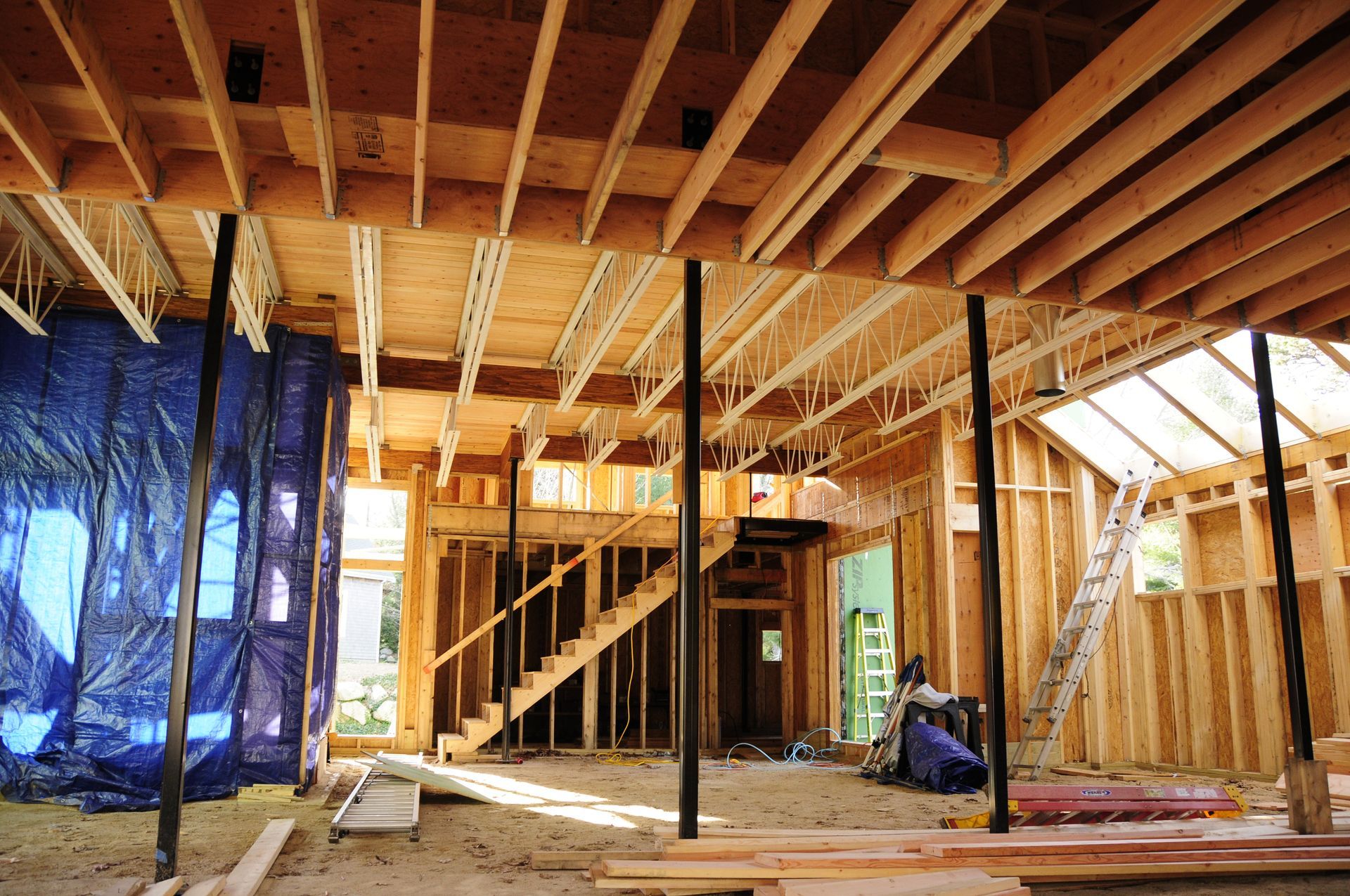
On a new home, the envelope goes in during framing, when it costs least — it's a core part of our construction services. In an existing house, any project that opens walls — an addition, a kitchen or bath update, new siding or roofing — is the cheap moment to air seal and insulate; coming back later costs far more. For insulation basics, see our post on insulation before winter. Three things drive the price: how much of the house we can reach, whether walls are already open, and how far you take the performance.
If your house is drafty, damp, or expensive to run, consultations are free — call (508) 388-5120 or request a consultation online.